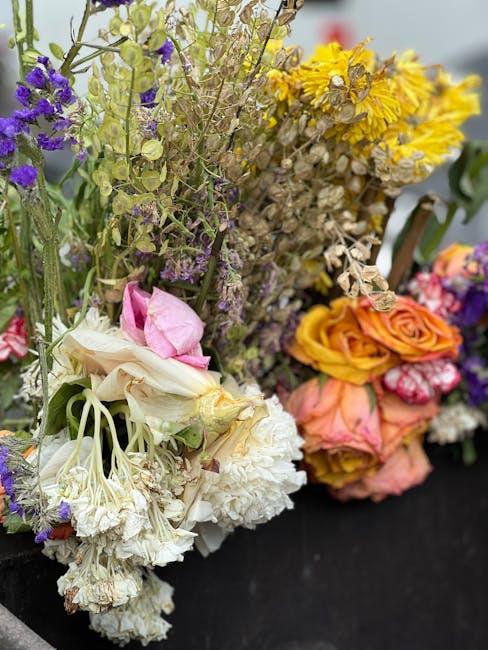
Flower waste guidance for Holland Park businesses
Posted on 20/10/2026
If you run a shop, venue, salon, hotel, office, or hospitality space in W8, flower waste can build up faster than people expect. One busy weekend, a few event installs, or a steady stream of bouquet deliveries and suddenly the back area is full of stems, faded petals, soggy wraps, and boxes that need sorting. This guide to Flower waste guidance for Holland Park businesses is here to make that process simpler, tidier, and more manageable.
The goal is not just to "get rid of the rubbish". It is to help you handle floral waste in a way that supports cleanliness, presentation, waste separation, and sensible day-to-day operations. Whether you deal with retail bouquets, corporate flowers, wedding styling, or regular reception arrangements, the right routine saves time and reduces avoidable mess. And, truth be told, it also helps staff breathe a little easier when the bins are not overflowing before lunch.
Below, you'll find practical steps, common mistakes, compliance considerations, and simple ways to improve the way your business handles flower and plant waste. If you also need a reliable local supplier for flowers or recurring arrangements, it can help to understand services such as a local florist in Holland Park W8, corporate accounts, or sustainability information depending on the way you source and manage blooms.
Practical summary: the best flower waste system is usually the boring one. Clear sorting, regular collection, responsible disposal, and a habit of removing waste before it becomes damp, smelly, or mixed with general rubbish. Nothing fancy. Just consistent.
- Separate floral waste from packaging where possible.
- Keep containers clean and covered.
- Train staff on what can be composted, recycled, or binned.
- Review collection frequency after busy periods or events.
- Document your waste routine if you manage multiple teams or sites.
Table of contents
- Why flower waste guidance matters
- How flower waste guidance works
- Key benefits and practical advantages
- Who this is for and when it makes sense
- Step-by-step guidance
- Expert tips for better results
- Common mistakes to avoid
- Tools, resources and recommendations
- Law, compliance, standards, or best practice
- Options, methods, or comparison table
- Case study or real-world example
- Practical checklist
- Conclusion
- Frequently asked questions
Why Flower waste guidance for Holland Park businesses Matters
Flower waste may seem like a small operational detail, but in a busy local business it affects several things at once: hygiene, presentation, staff workload, storage space, and even customer perception. In a neighbourhood like Holland Park, where many businesses care about appearance and service quality, untidy waste management can undermine an otherwise polished environment.
Fresh flowers are lovely. Faded flowers, dripping stems, and crushed foliage in a back corridor? Not so lovely. The issue is not only visual. Organic waste can attract odours, create slip risks, and make cleaning harder, especially when it sits beside packaging, water, and other daily debris. If flower waste is managed poorly, the problem tends to spread. One bin becomes two. One wet box becomes a floor stain. It snowballs, quietly.
For businesses that receive regular deliveries, run events, or create displays in-house, guidance also helps with consistency. Staff come and go. Managers change. The waste routine should stay simple enough that anyone on shift can follow it without asking three people and making a guess. That matters more than people think.
There is also a reputational angle. Customers, guests, and clients often notice the small things: a tidy service yard, clean back-of-house storage, and the absence of that faint flower-water smell that appears after a weekend wedding if bins are left too long. If your business values standards, waste handling is part of the picture.
Key point: good flower waste guidance is not about overcomplication. It is about creating a calm, repeatable routine that keeps your premises cleaner, safer, and easier to run.
How Flower waste guidance for Holland Park businesses Works
At a practical level, flower waste guidance works by separating the different parts of the post-use flow. Not all flower-related waste is the same. Fresh stems, spent arrangements, cardboard sleeves, ribbon, water containers, foam, plastic wrap, broken glass vases, and delivery packaging each need a different treatment. If everything goes into one bag, disposal becomes heavier, messier, and usually more expensive.
The simplest setup usually starts with three questions:
- What is organic waste, and can it be composted or collected separately?
- What is packaging, and can it be recycled or reused?
- What needs general disposal because it is contaminated or unsuitable for recycling?
For example, flowers removed from a reception desk after they fade are often best handled as organic waste, while clean cardboard and paper wrap may be suitable for recycling if your collection system accepts it. Water-soaked materials, tape, and floral foam are more complicated. A bit annoying, yes, but that is the reality. The cleaner the sorting, the better the outcome.
Some businesses also build flower care into the process so arrangements last longer before they become waste. That can mean trimming stems, refreshing water, and keeping displays away from heat. If you need practical support on that side, a page like flower care guidance can be useful alongside your waste routine.
In a multi-site business, the "how it works" part should be written down. A short internal process note is often enough: where waste goes, who clears it, how often bins are changed, and what happens after events. Simple instructions are usually better than a long policy no one reads.
Key Benefits and Practical Advantages
A well-run flower waste routine does more than reduce clutter. It improves operational flow. That sounds a bit corporate, maybe, but it is true. When waste is controlled, cleaning is faster, storage space is easier to use, and staff spend less time improvising.
Here are the main benefits businesses usually notice:
- Cleaner premises: less residue, fewer spills, and fewer unpleasant smells.
- Better presentation: important for customer-facing spaces where standards matter.
- Reduced labour: staff spend less time sorting and moving mixed rubbish.
- Improved sustainability: separating organic material can support greener disposal choices.
- Lower risk of avoidable issues: damp waste, pests, and blocked storage are less likely.
- Smoother event turnover: useful for venues, hotels, and wedding teams working to a schedule.
There is another benefit that gets missed: peace of mind. When you know where flower waste goes, you stop making last-minute decisions under pressure. That matters on Friday afternoons, after deliveries, or when you are trying to clear a room before the next booking arrives in ten minutes flat.
Businesses that source flowers regularly may also find it easier to manage stock and budgeting when waste is tracked. Not every stem should become waste, obviously. A sensible care routine can extend display life, which means fewer replacement orders. For repeat supply needs, some companies also look at sending flowers in Holland Park or flower delivery in Holland Park alongside waste planning, so purchasing and disposal are managed together.
Who This Is For and When It Makes Sense
Flower waste guidance is relevant to far more businesses than florists alone. In Holland Park, it can make sense for:
- restaurants and cafes with table flowers
- hotels and serviced apartments with lobby arrangements
- offices using flowers at reception or in meeting rooms
- wedding venues and event spaces
- salons, spas, and wellness businesses
- estate agents, showrooms, and premium retail spaces
- corporate teams ordering flowers for client-facing areas
- hospitality businesses running seasonal displays or special events
It makes particular sense if you regularly receive multiple bouquets, manage event florals, or have staff who handle flowers as part of wider housekeeping duties. If your business only gets the occasional arrangement, you may still benefit from a basic routine, but the need is lighter.
Another way to judge it: if anyone on your team has ever said, "Where does this lot go?", you probably need better guidance. Fair enough.
There are also moments when the issue becomes more urgent, such as after weddings, funerals, launches, seasonal campaigns, or promotional events. During those periods, waste volume can jump quickly. If your operation covers any of those services, it may be sensible to align your flower handling with broader product pages such as wedding flowers, funeral flowers, or even corporate accounts where recurring orders are involved.
Step-by-Step Guidance
If you want a practical system rather than a vague idea, here is a straightforward way to set it up.
1. Map your flower waste streams
Start by identifying what your business actually throws away. Fresh stems? Wilted bouquets? Cardboard boxes? Ribbon? Water containers? Once you see the pattern, the process gets easier. Most problems happen because waste types are mixed before anyone has labelled them properly.
2. Place the right containers in the right place
Put one container near the point of use and another near the main waste exit or storage area. If staff must walk across the building carrying dripping stems, the system is probably too awkward. Make it easy. People follow easy systems.
3. Separate organic waste from packaging
This is the biggest improvement for most businesses. Keep flower heads, stems, leaves, and plant material apart from boxes, paper wrap, tape, and string where feasible. Cleaner separation usually means cleaner collections and less contamination.
4. Decide what happens to water and soaked materials
Flower buckets should be emptied safely and regularly. Water left sitting too long can smell unpleasant and make floors slippery. Wet paper and saturated packaging are often a recycling headache, so they may need special handling or general disposal depending on your local collection route.
5. Set a clear collection schedule
Busy businesses should not wait until "the bin looks full". That is how things get messy. Instead, choose a routine based on daily trading patterns, event timings, and delivery frequency. Some venues need end-of-day removal; others need more frequent checks during busy periods.
6. Train staff briefly, not endlessly
A five-minute induction can be enough if it is practical. Show team members what goes where, what to avoid mixing, and who to ask if something unusual turns up. A laminated sheet in the back room often does more than a long email no one reads.
7. Review after peak periods
After a wedding season, Christmas run, or busy spring period, look back at what worked. Did one bin fill too quickly? Did storage get damp? Did anyone improvise? That review helps refine the system before the next rush.
Expert Tips for Better Results
There are a few small refinements that can make a real difference. Nothing flashy. Just the kind of operational details that save frustration later.
Keep flower waste dry where possible. Damp waste is heavier, messier, and often smells faster. Even a small improvement in drainage and emptying frequency helps.
Use reusable vessels where practical. Vases, crates, and tubs that can be cleaned and returned reduce packaging waste and give you more control over the process.
Buy with waste in mind. If your team always ends up discarding a certain flower type too quickly, ask whether the display style, water routine, or placement could be improved. Sometimes the issue is not the flower. It is the setting.
Keep a "first out" habit. Use older stock or older arrangements first where appropriate. Freshness management is a quiet little win, and the waste reduction can be surprisingly noticeable.
Match the arrangement to the location. A bright window display may look lovely, but if it shortens vase life by two days, that is not really a win. A cooler corner can be better for longevity.
Plan for the end before the start. That sounds obvious, but it is easy to forget. If you know how an arrangement will be removed, separated, and disposed of, your whole workflow gets smoother.
If your team handles premium arrangements, the stakes are a bit higher because presentation matters all the way to the last stem. In that case, browsing options like best flower delivery in Holland Park, luxury flowers, or flowers by post can help you compare supply styles that fit the way you operate.
Common Mistakes to Avoid
Most flower waste problems are not dramatic. They are just messy, repeated, and avoidable. Here are the ones that show up most often.
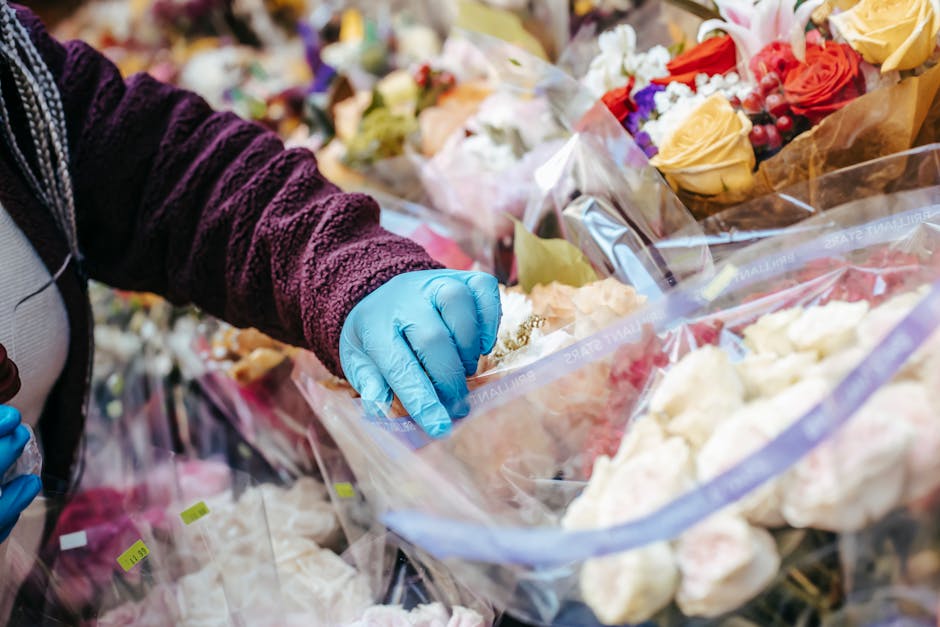
- Mixing wet flower waste with cardboard: this ruins recycling potential and makes collection bins unpleasant fast.
- Leaving buckets to stand too long: stale water and algae are nobody's friend.
- Using one general waste bin for everything: this is easy, but it wastes opportunity and often creates more work later.
- Ignoring small waste piles: a handful of stems each day becomes a bigger issue by the end of the week.
- Not naming responsibility: if no one owns the task, it gets missed when the shift gets busy.
- Forgetting after-event clean-down: the room looks fine, but the storage area tells the truth.
- Overcomplicating the process: if the system is too fussy, people will work around it.
A surprisingly common one is this: staff assume flower waste is "just biodegradable", so it can go anywhere. Not quite. Once it is mixed with plastics, tape, and soaked packaging, your disposal options narrow quickly. That is why the sorting stage matters so much.
Another common issue is skipping a plan for peak days. Monday might be calm. Saturday, not so much.
Tools, Resources and Recommendations
You do not need a huge toolkit, but a few practical items can make flower waste handling far more manageable.
| Tool or resource | Why it helps | Best use |
|---|---|---|
| Lidded waste bins | Contains smells and keeps waste discreet | Back-of-house flower and packaging waste |
| Separate collection tubs | Makes sorting easier at the point of use | Flower heads, stems, and foliage |
| Reusable crates | Reduces disposable packaging | Deliveries and internal movement |
| Basic label system | Improves staff consistency | Bin stations and storage rooms |
| Cleaning cloths and absorbent mats | Helps manage spills and wet surfaces | Buckets, prep areas, and loading points |
| Short waste checklist | Keeps the routine repeatable | Daily close-down or event wrap-up |
For businesses that want a more polished floral supply process, it can help to review the supplier side too. Pages like about us, delivery information, guarantees, and returns and refund terms are useful if you are checking service standards and how orders are handled when blooms arrive less than perfect. That matters more than people admit.
If you manage multiple teams, a short internal note can be enough: who empties bins, where materials go, and how to escalate problems. You do not need a big manual. You need a system people can actually follow on a busy Tuesday afternoon.
Law, Compliance, Standards, or Best Practice
Flower waste handling is not usually a highly specialised legal topic on its own, but businesses still need to follow general waste duties, local collection rules, and safe working practices. The exact requirements can vary depending on the waste type, volume, and how your business is set up.
In practical terms, the safest approach is to treat flower waste as part of your wider business waste management. That means you should:
- store waste securely and hygienically
- avoid creating nuisance, odours, or spill hazards
- keep recyclable and non-recyclable materials separate where possible
- use approved collection routes for waste streams you produce
- train staff to handle waste safely
If your business generates larger volumes, especially from events or repeat floral installations, it is wise to check what your waste contractor or local collection arrangements accept. The details can change, and assumptions cause headaches. Not the dramatic sort. The annoying sort that arrives with a bin full of the wrong stuff.
There is also a best-practice angle. Even where a practice is not mandatory, it may still be the smart route. Cleaner separation, better labelling, and timely removal reduce the risk of pests, blocked storage, and workplace mess. For businesses in an area like Holland Park, where customer expectations are often high, that standard is worth maintaining.
If you offer floral services for events or corporate spaces, you may also want to review your own terms, payment process, and service commitments. Operational clarity matters. It keeps everyone on the same page and avoids awkward last-minute surprises.
Options, Methods, or Comparison Table
Not every business needs the same flower waste setup. The right choice depends on volume, space, staffing, and how often flowers arrive. Here is a simple comparison of common methods.
| Method | Best for | Pros | Trade-offs |
|---|---|---|---|
| General waste only | Very low-volume users | Simple and quick | Less sustainable; can get messy fast |
| Separate organic and packaging waste | Most small to medium businesses | Cleaner, more organised, often more efficient | Needs basic staff training |
| Reusable container system | Regular deliveries and event spaces | Reduces packaging waste and supports tidier handling | Needs storage and cleaning routines |
| Managed floral waste routine with scheduled collections | Higher-volume venues, hotels, and corporate sites | Consistent, scalable, easier to audit | Requires coordination and a bit more planning |
For many Holland Park businesses, the second option is the sweet spot. It gives enough structure without becoming a headache. If your operation is busy or multi-site, the fourth option starts to make more sense, especially when flowers are a regular part of customer experience.
To be fair, the "best" method is the one your staff will keep using after the novelty has worn off. That is the real test.
Case Study or Real-World Example
Imagine a small boutique hotel near Holland Park Avenue. It uses flowers in the lobby, the restaurant, and a couple of private dining rooms. On Fridays, it receives a larger delivery for weekend guests and events. At first, the team puts all the waste into one back-room bin. By Sunday evening, there are damp stems, cardboard sleeves, and a sour smell near the service area.
Nothing catastrophic. Just irritating, and a bit unprofessional.
The hotel then changes the system. It adds a small labelled tub for stems and foliage, keeps clean cardboard separate, and empties water from buckets at set times each day. Staff are shown a simple close-down routine. The result is not glamorous, but it works: less mess, fewer complaints from housekeeping, and faster room turnaround after events.
There is a second benefit too. Because the team begins checking flower condition daily, they notice when certain arrangements are fading quicker than expected. That means they can adjust placement, ask for hardier stems, or reduce waste on future orders. Small change, real difference.
This is the point, really. Flower waste guidance is not a grand transformation. It is a steady improvement. And steady improvement is what keeps a business running smoothly when the week gets busy.
Practical Checklist
Use this checklist to tighten up your flower waste process. It is simple, but that is part of the charm.
- Have you identified every flower waste stream in your business?
- Are stems, foliage, and spent blooms kept separate from packaging where possible?
- Do you have a clear bin or tub in the right place?
- Is there a routine for emptying water safely?
- Are wet and contaminated materials kept away from recyclable cardboard?
- Do staff know who handles waste at the end of each shift?
- Have you reviewed waste handling after busy events or deliveries?
- Are containers cleaned regularly?
- Does your collection schedule match your actual volume?
- Have you checked supplier terms and delivery expectations if flowers are arriving regularly?
If you can tick most of those boxes, you are already ahead of many businesses. If not, no panic. Start with the easiest fix first. Usually that is the one everybody avoids, which is a bit funny in a not-so-funny way.
Get a free quote today and see how much you can save.
Conclusion
Good flower waste guidance for Holland Park businesses comes down to clarity, consistency, and a little bit of discipline. Separate the waste streams, keep things dry where possible, remove waste on a reliable schedule, and make the process easy enough for staff to follow under pressure. That is the core of it.
Whether you run a guest-facing venue, a retail space, or a corporate office with regular floral displays, the payoff is usually immediate: cleaner back-of-house areas, less stress, and a more professional finish all round. And let's face it, in a neighbourhood where presentation matters, those small details count.
Start simple, keep it practical, and build the routine around the way your business actually works. That is usually where the best results live.
And if the back room is tidier by Friday evening, well, that's a very decent win.
Frequently Asked Questions
What is flower waste guidance for Holland Park businesses?
It is a practical approach to handling spent flowers, stems, water, packaging, and related materials so your business stays clean, efficient, and compliant with normal waste expectations.
Do small businesses really need a flower waste process?
Yes, even small businesses benefit from a basic system. If you only have a few arrangements, the process can be very simple, but it still helps prevent mess, smells, and unnecessary mixed waste.
Can flower waste go in general rubbish?
Sometimes it can, but that is usually the least efficient option. If possible, separate organic waste from recyclable packaging and keep wet materials apart from dry recyclables.
What should I do with water from flower buckets?
Empty it safely and promptly to reduce odour, spills, and slip risks. Leaving bucket water sitting around too long is one of the most common back-room annoyances.
Is floral foam treated differently from flower stems?
Yes. Floral foam is not the same as natural flower waste and should be handled according to your business waste arrangement. It is best not to assume it can be managed like stems or foliage.
How often should flower waste be removed?
That depends on your volume, but busy businesses usually need a daily routine, with extra checks after events, deliveries, or peak periods. Don't leave it until the bin is clearly over full.
What kind of businesses need this most?
Hotels, restaurants, venues, event spaces, offices, salons, and retailers with regular floral displays usually need the most structured process. Corporate settings and wedding-related businesses often have the highest turnover.
Can better flower care reduce waste?
Yes. Good care practices such as timely trimming, clean water, and suitable placement can extend the life of arrangements, which naturally reduces waste and replacement frequency.
Are there compliance issues I should know about?
Businesses should follow general waste handling, storage, and hygiene expectations, plus any local collection rules that apply to the waste stream they generate. If you handle larger volumes, it is sensible to confirm the right disposal route.
How do I train staff without making it complicated?
Keep it short and practical. Show where waste goes, what must stay separate, who clears it, and what to do when something unusual turns up. A simple visual guide in the back room often works well.
What is the biggest mistake businesses make?
The biggest mistake is mixing everything together and hoping for the best. Wet flowers, packaging, and general rubbish all behave differently. Once they are mixed, the waste gets harder to manage.
Where can I find support for regular flower orders in Holland Park?
If your business needs recurring arrangements or local delivery, it may help to review local service pages for delivery, corporate accounts, and care guidance so your supply and waste routines work together more smoothly.